Vision Surgery, Not Only LASIK
Vision surgery includes LASIK, PRK, corneal transplants and more. Laser vision correction sets out what the wider group of procedures involves, and how we prepare you for each of them.
LASIK is currently the most popular vision-correcting or “refractive” surgery available, but there are other options as well. Here is what each procedure involves, and how our Fort Lauderdale doctors prepare you before surgery and see you through the healing afterwards.
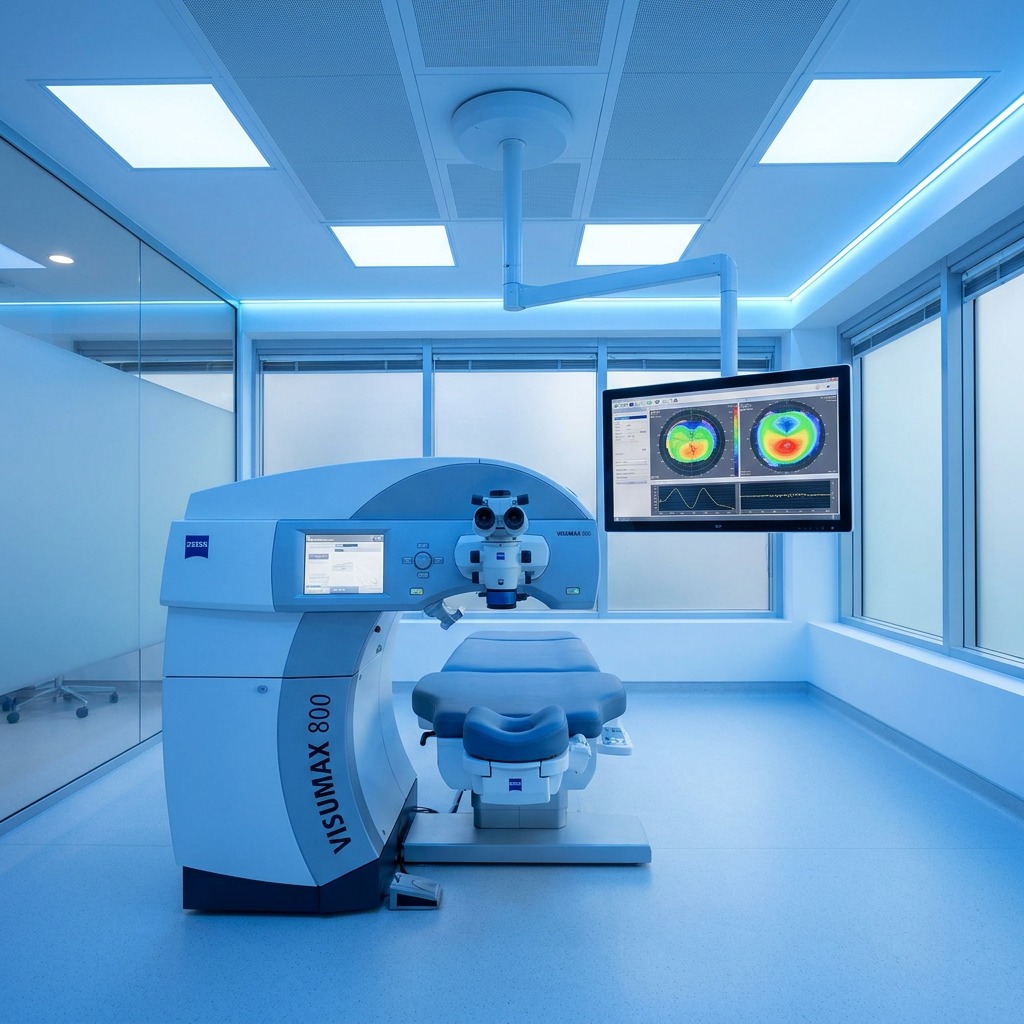
LASIK is the most commonly performed refractive surgery procedure. You may hear people calling it “LASIX,” but the correct name is LASIK, which is short for “laser-assisted in situ keratomileusis.”
LASIK has advantages over other vision correction procedures, including a relative lack of pain afterward and the fact that good vision usually is achieved by the very next day. It is the option most patients ask about first — but it is one of several, and the evaluation decides which one fits your eyes.
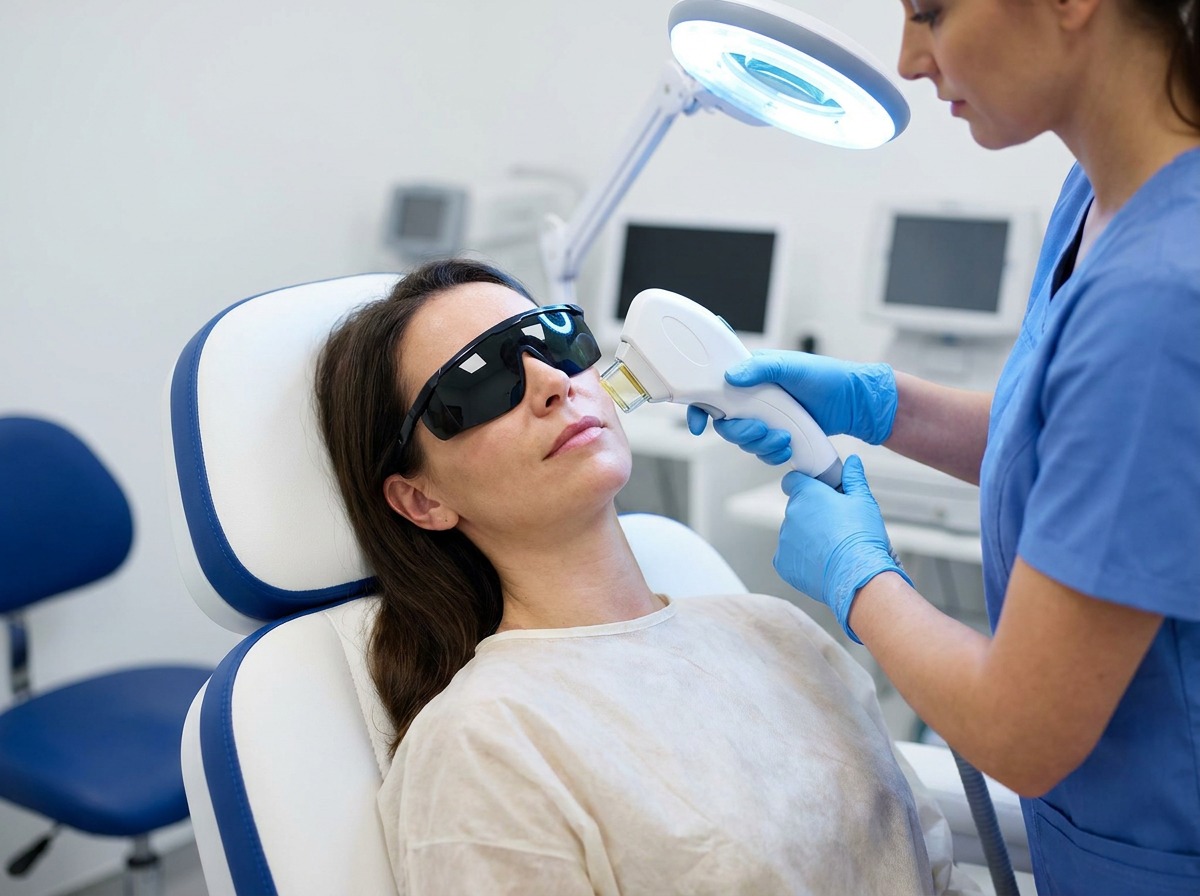
When the cornea is reshaped in the right way, it works better to focus light into the eye and onto the retina, providing clearer vision than before. Both nearsighted and farsighted people can benefit from the LASIK procedure.
PRK is the other laser procedure our doctors discuss when they evaluate your eyes and talk through your visual goals. Whether LASIK or PRK is the better fit is settled by your measurements, not by preference alone.
If you have appropriate goals and there are no contraindications for the procedure, we will recommend a pre-operative evaluation to determine suitability for refractive surgery. If the evaluation says yes, your information is forwarded to the surgeon and a pre-surgery consult with a surgeon is scheduled.
Cataract refractive technology is the third route named in that same conversation. It is discussed with you at the evaluation and confirmed at the surgeon's consult, alongside the laser options.
Vision surgery includes LASIK, PRK, corneal transplants and more. Laser vision correction sets out what the wider group of procedures involves, and how we prepare you for each of them.
LASIK and the other laser procedures are not new. Refractive surgery has been available to patients as an alternative vision correction option since its approval by the Food and Drug Administration (FDA) in 1995, and it has advanced a good deal since then.
Through advances in modern technology, we can now offer patients laser vision correction alongside the eyeglasses, contact lenses and eye health care we already provide. We will help you find the ideal solution for your problem and partner with the chosen surgeon to perform your procedure.
An evaluation for refractive surgery is a set of measurements plus a long conversation about what you want your eyes to do. It includes counseling on refractive surgery options, and it is also the point at which an unsuitable candidacy is caught — before anyone operates.
Electing refractive surgery requires preparation, because not all patients are ideal candidates. Our doctors prepare you for the procedure and its aftermath with the following services:
Post-operative management is provided by our doctors, and includes multiple visits over a period that runs from the date of surgery, covering medical evaluation and management of the vision and corneal healing.
Evaluation of any additional needs — reading glasses, sunglasses, or enhancement laser procedures — is included as well. The doctors who examined your eyes before surgery are the ones who see you afterwards, which means your history is already known and nothing needs explaining twice.
LASIK & refractive surgery co-management explains how the arrangement works, from the evaluation here to the surgeon's consult and back to your follow-up visits. Co-management for doctors sets out the referring side of it.
If you are considering refractive surgery, start with the evaluation rather than the procedure. Book a visit at our Fort Lauderdale office and we will walk you through your options against your own measurements, tell you honestly whether you are a candidate, and explain what the preparation involves if you are.
Book a no-charge, no-obligation screening at our Fort Lauderdale office. We will tell you whether you are a candidate for refractive surgery, and what the preparation involves if you are.